Join the Movie Club: A Cinematic Journey Together!
I’m thrilled to announce the launch of my Movie Club. We’ll embark on an exciting cinematic adventure over the next 10 days! As we ease into winter, what better way to get to know each other than by diving into some incredible films together?
What is the Movie Club?
The Movie Club is designed for all movie lovers who want to explore meaningful, entertaining, and thought-provoking films. Each night, we’ll come together virtually to watch one selected movie from a curated list. These films have been chosen for their entertainment value. They also provide valuable insights into storytelling. Additionally, they offer insights into character development and cinematography.
How it Works
Daily Movie Watching:
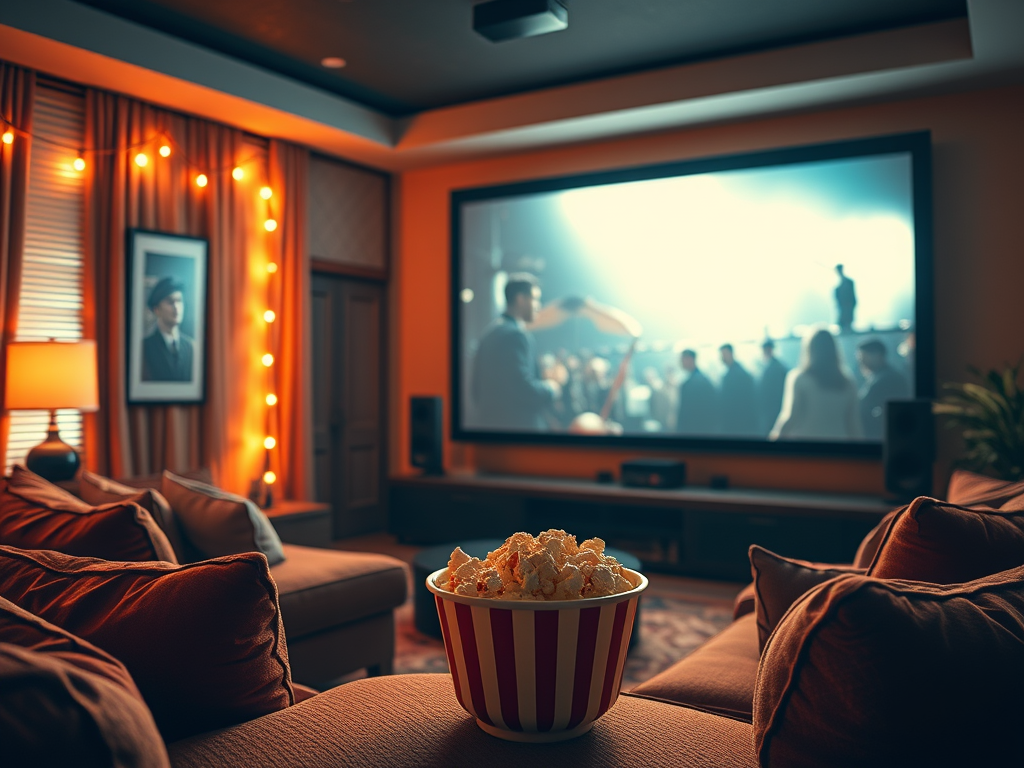
Starting 7 May 2025, we’ll watch one movie per day for 10 consecutive days. Each night, gather your snacks and settle in for a new cinematic experience!
We will all start with Pulp Fiction, and will the draw a new movie for the night. This draw will be on my TikTok profile. If you subscribe (Below at no charge), you will receive a notification by email.
Scorecard Ratings:
To make this journey interactive and enjoyable, we’ll be using a scorecard to rate each film. You’ll have the opportunity to score films on various criteria such as story, direction, cinematography, and overall enjoyment. This will not only help us analyze the films but also enhance our viewing experience.
Video Reviews:
After watching each movie, I’d love for you to create a short video review to share your thoughts! What did you love? What surprised you? Your unique perspectives will foster great discussions within our community.
Be sure to tag me in your videos so I can see what you think!
(TikTok: https://www.tiktok.com/@morne.ebersohn)
The Movie Lineup
Here’s the lineup of films we’ll be watching.
- “Pulp Fiction” (1994) – A groundbreaking film that reshaped independent cinema.
- “The Shawshank Redemption” (1994) – A powerful story of hope and friendship.
- “Inception” (2010) – A mind-bending exploration of dreams and reality.
- “Moonlight” (2016) – A profound tale of identity and self-discovery.
- “Get Out” (2017) – A thrilling social commentary wrapped in horror.
- “Mad Max: Fury Road” (2015) – An action-packed post-apocalyptic adventure.
- “The Grand Budapest Hotel” (2014) – A whimsical tale filled with vibrant characters.
- “The Social Network” (2010) – A compelling look at the rise of Facebook.
- “Parasite” (2019) – A genre-bending film that tackles class struggle.
- “Spirited Away” (2001) – An enchanting animated classic that captivates the heart.
Why Join the Movie Club?
This Movie Club isn’t just about watching films—it’s about building a community of film enthusiasts, sharing insights, and engaging in meaningful discussions. Whether you’re a seasoned cinephile or a casual viewer, there’s something for everyone. We’ll learn together, laugh together, and explore the magic of cinema.
Ready to Join?
If you’re excited to be part of this cinematic journey, stay tuned for updates as we kick off the Movie Club! Grab your popcorn, find a comfortable spot, and let’s make some movie magic happen!
Official Trailers:
Movie Review Scoring Sheet
Please follow the link to the Movie Review Scoring Sheet.
- Open the master sheet.
- Create a duplicate sheet. Name the sheet with your name.
- You would need to be logged into your GMAIL account.
Not sure about some movie terms?
Direction in a movie refers to the overall guidance and artistic vision provided by the director. It encompasses a wide range of responsibilities and decisions that shape the film into the final product viewers see on screen. Here are the key aspects of direction in filmmaking:
- Creative Vision: The director is responsible for interpreting the script and establishing the film’s unique tone, style, and overall vision. This includes deciding how the story will be told and what emotions it should evoke.
- Working with Actors: Directors guide actors in their performances, helping them shape their characters and deliver dialogue convincingly. This includes directing emotional delivery, body language, and interactions with other characters.
- Visual Composition: Directors collaborate with the cinematographer (director of photography) to decide on camera angles, shot composition, lighting, and color schemes. This visual storytelling helps convey themes and moods effectively.
- Pacing and Rhythm: The director influences the film’s pacing and rhythm, determining how scenes flow into one another, when to build tension, and how to create moments of calm or excitement.
- Collaboration with Crew: Directors work closely with various departments, including production design, costume design, sound, and editing. They ensure that all elements align with their vision and contribute cohesively to the film’s overall aesthetic.
- Editing and Post-Production: While editing is often handled by a separate editor, directors play a crucial role in the editing process, making final decisions about how scenes are cut, transitions, and the overall narrative flow.
In summary, direction is a vital component of filmmaking that significantly impacts the storytelling, visual style, and emotional resonance of a movie. A skilled director can transform a script into a compelling cinematic experience that engages and resonates with audiences.
Cinematography is the art and technique of capturing visual images for film and video production. It encompasses a range of elements that contribute to the overall look and feel of a film, influencing how a story is conveyed and how the audience experiences it. Here are the key components of cinematography:
- Camera Work: This involves the selection and operation of cameras and equipment to capture images. Cinematographers (or directors of photography) determine camera angles, movements (such as pans, tilts, and tracking shots), and framing to create visually compelling shots.
- Lighting: Lighting is crucial in cinematography as it helps define the mood and atmosphere of each scene. Cinematographers work with various lighting techniques, such as natural light, artificial light, shadows, and highlights, to achieve the desired emotional impact and visual style.
- Composition: This refers to how elements are arranged within a frame. Effective composition guides the viewer’s attention to key subjects and creates visually dynamic shots. Cinematographers consider aspects such as balance, symmetry, and the rule of thirds to enhance storytelling.
- Color: The use of color in cinematography can evoke specific emotions and convey themes. Cinematographers work closely with color grading in post-production to adjust hues, contrasts, and saturation, establishing the visual tone of the film.
- Focus and Depth of Field: Cinematographers manipulate focus to direct the audience’s attention. Shallow depth of field keeps the subject in sharp focus while blurring the background, emphasizing important details. Conversely, deep focus maintains clarity in both foreground and background, providing context.
- Aspect Ratio and Framing: Cinematographers choose the aspect ratio (the width-to-height ratio of the image) and framing techniques that best suit the film’s narrative and visual style. This decision can affect how the audience perceives the story and its characters.
- Movement: Camera movement (such as tracking shots, dolly shots, or crane shots) adds dynamism to the storytelling. It can enhance excitement, create tension, or and guide the viewer’s focus through the narrative.
In summary, cinematography plays a vital role in filmmaking by shaping the visual experience of a film. It involves a blend of technical skill and artistic expression, helping to convey the story, emotions, and themes in a way that resonates with the audience. A strong cinematographic approach can elevate a film from simply being a series of images to a breathtaking visual narrative
Characters and performance are fundamental aspects of film that contribute significantly to storytelling and audience engagement. Here’s a breakdown of each component:
Characters
- Definition: Characters are the fictional individuals who inhabit a story. They can be protagonists (main characters), antagonists (opposing forces), or supporting characters, each playing a specific role in the narrative.
- Character Development: This refers to the process of creating compelling, multifaceted characters with depth and complexity. Well-developed characters often have clear motivations, desires, and arcs that lead to personal growth or change throughout the film. Audiences typically connect more deeply with characters who exhibit relatable traits or flaws.
- Backstory: A character’s history, background, and personal experiences shape their motivations, relationships, and actions within the story. Effective films often reveal this backstory through dialogue, flashbacks, or visual cues, providing context for the character’s behavior.
- Relationships: Interactions between characters create dynamics that drive the plot and enrich the narrative. Relationships can be central to the conflict and themes of the film, influencing character choices and outcomes.
- Archetypes and Roles: Characters may embody archetypes (e.g., the hero, the mentor, the sidekick) that resonate with audiences. While archetypes provide familiarity, films that subvert these roles often engage viewers in unexpected ways.
Performance
- Definition: Performance refers to how actors portray their characters through a combination of dialogue delivery, physicality, facial expressions, and emotional range. Strong performances can bring characters to life and evoke emotional responses from the audience.
- Acting Technique: Actors employ various techniques (such as method acting, classical acting, improvisation) to embody their characters authentically. The choice of technique impacts the believability and depth of the performance, contributing to the overall effectiveness of the film.
- Character Interpretation: Each actor brings their unique interpretation to a role, influenced by their understanding of the character, the direction provided, and the overall vision of the film. Great actors can infuse their performances with nuance, making characters feel real and relatable.
- Emotional Connection: Powerful performances can evoke a strong emotional connection between the audience and the characters, drawing viewers into the story and making them empathize with the characters’ struggles and triumphs.
- Chemistry: The interactions and chemistry between actors, especially in key relationships, significantly affect the film’s impact. Strong chemistry can enhance the realism and relevance of the characters’ relationships, making them more engaging.
In summary, characters and performance are vital elements of film that contribute to the storytelling process. Well-crafted characters with depth and complexity, paired with powerful performances from actors, create a compelling narrative that resonates with audiences. When both elements align effectively, they enhance the emotional impact of the film, allowing viewers to connect deeply with the story and its themes.
.
In movies, theme and message are crucial components that deepen the narrative and enrich the viewer’s experience. Here’s a detailed explanation of each:
Theme
- Definition: The theme of a movie refers to the underlying ideas, concepts, or motifs that drive the narrative. It represents the central topics or questions that the film explores and can often be expressed in a single word or phrase, such as love, betrayal, friendship, or redemption.
- Types of Themes:
- Universal Themes: These are themes that resonate across cultures and time periods, such as the struggle for identity, the quest for justice, or the conflict between good and evil. They invite viewers from diverse backgrounds to connect with the story.
- Specific Themes: These are tailored to particular contexts or narratives. For example, a film might explore themes related to generational conflict, the impact of technology on society, or the complexities of romantic relationships.
- Thematic Elements: Themes are often conveyed through various elements, including character development, plot dynamics, setting, symbolism, and dialogue. Filmmakers use these tools to reinforce the themes and encourage audiences to engage with the deeper meanings behind the story.
Message
- Definition: The message of a movie refers to the specific moral, lesson, or viewpoint that the filmmakers intend to communicate through the story. It is often more explicit than the theme and aims to impart a particular understanding or insight about life, society, or human nature.
- Examples of Messages:
- Films may convey messages about the importance of love and friendship, the consequences of betrayal, or the value of perseverance in the face of adversity.
- Some movies tackle social or political issues and aim to raise awareness or provoke thought about topics such as mental health, environmental concerns, or human rights.
- Delivery of Message: Directors, writers, and actors work together to embed the message within the film’s narrative. This can be done through character actions, plot developments, dialogue, and even visual motifs. A well-crafted message resonates with viewers and can inspire them to reflect on their own lives and beliefs.
Relationship Between Theme and Message
While theme and message are closely related, they are not the same. The theme serves as the broader context or lens through which the narrative is viewed, while the message provides a more specific insight or takeaway for the audience. In many cases, a film can have multiple themes and messages, allowing for a rich and layered viewing experience.
In summary, themes and messages are essential elements that contribute to the depth and meaning of a film. Themes provide a framework for understanding the story, while messages challenge viewers to reflect, learn, and grow. A well-executed film successfully intertwines these components, creating an engaging and thought-provoking experience that resonates long after the credits roll.
Overall Enjoyment of a Movie is a subjective measure that reflects how much pleasure, engagement, and satisfaction a viewer derives from a film.


Leave a comment